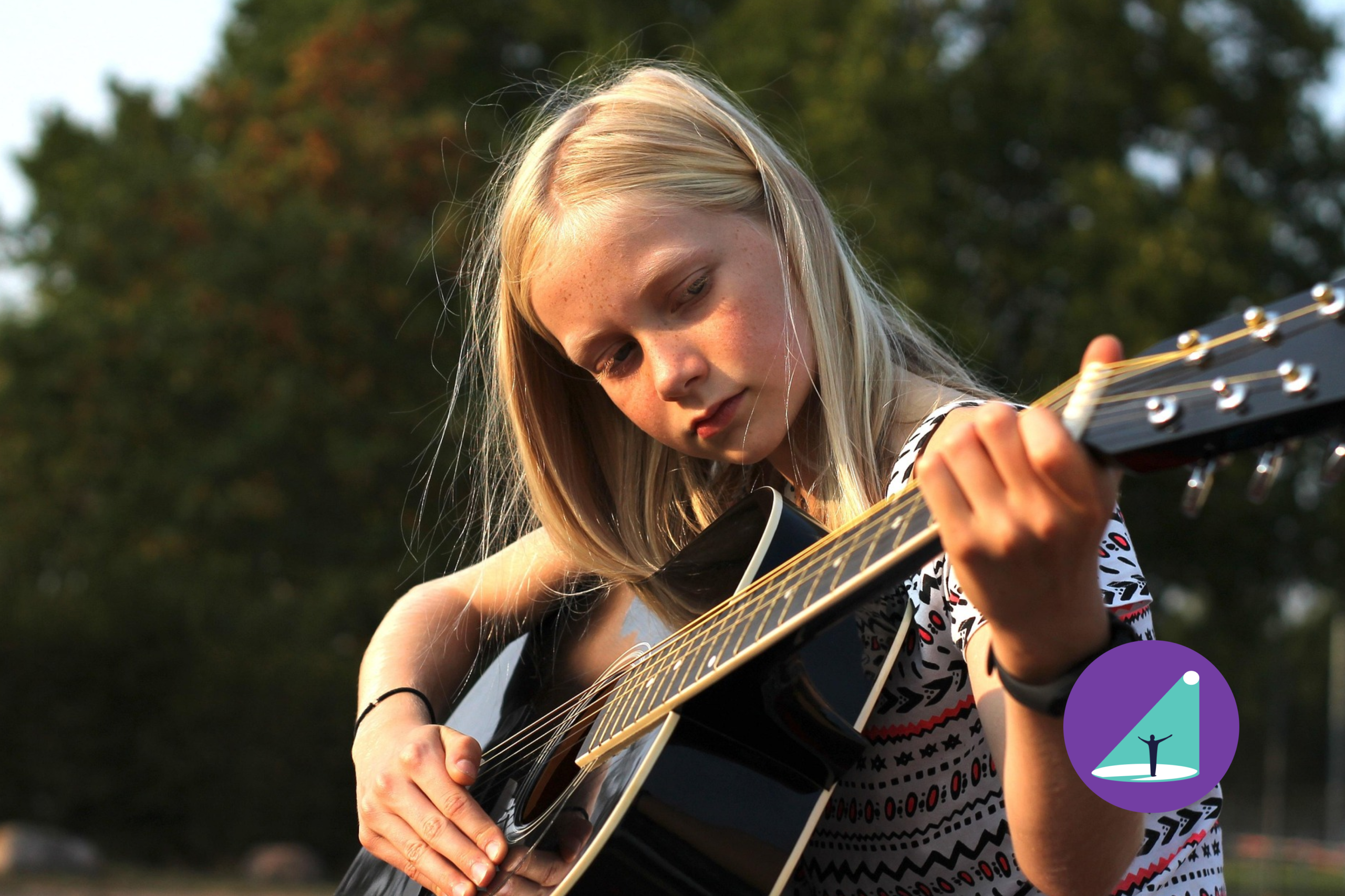
Introduction: the importance of finger strength and dexterity in creativity and productivity.
While in the world of music and creative self-expression, small finger movements often represent the key to brilliant performance and expressiveness, not just easing the mastering of a new instrument, finger strength developed and exquisite dexterity reveal potential, allowing ideas to become reality with maximum precision and vividness. For readers seeking structured practice routines, consider a single action to download app for learning piano to anchor habit formation. Especially important in everyday practice is each detail that influences the sound and emotional impact. In practical terms, this involves finger strength, targeted dexterity drills, the use of the Talented app for guided exercises, and metrics such as form metrics, performance tracking, and muscle control in support of workouts for the fingers, strength building, dexterity enhancement, technique drills, and precision exercises.
Why, then, are these qualities so admired?
The strength in your fingers ensures that control and stability are maintained for long playing without fatigue.
Dexterity and coordination also enhance speed and precision in movements, hence reducing the chance of errors.
Advanced motor skills quickly adapt to new techniques and styles.
Confident we are: by working on these aspects, professional efficiency and enjoyment of creativity are also increased for every musician or creative person.
Core training principles inside the app: Our approach and methodology
It means the creation of the app came from an understanding that finger training does not involve the mere repetition of exercises. Its effectiveness can be achieved only if the sessions become conscious, consistent, and adapted to needs. The approach highly emphasizes endurance training, adaptive intensity, control refinement, practice routines that drive skill growth and hand health.
Principles and benefits
| Principle | Benefit |
| Incremental development | Protects from injury and maintains motivation. |
| Feedback | Accelerates learning, minimizes errors |
| Individual pace | Supports regularity, reduces burnout |
| Variety | Strengthens different motor features, maintains attention |
It provides conditions for sustainable growth, allowing users not only to feel progress but also to keep interest in training long-term.
Basic Exercises for Developing Finger Strength Technique and Regularity
Finger strength is one of the basic elements on which dexterity and precision of movements are based. At Talented, much attention is given not only to the correct technique of performing movements but also to a systematic approach to training in general, with the purpose of avoiding injuries and achieving maximum efficiency. Let’s look into the key exercises included in the basic complex:
- Expander squeezing: Take a special expander or a squeeze ball. Do 3 sets of 15–20 squeezes with each hand. It is important to control the movement in order not to make any sudden jerks.
- Finger lifts on a flat surface: Place the palm on the table, lifting each finger alternately upwards, creating tension. Repeat for each hand 10–12 times.
- Hangs on the pull-up bar or parallel bars: This is an excellent way to load the fingers and forearm muscles. Starting with short holds-starting with 5-10 seconds and then increasing this after some time.
Important technique points
Pre-training warm-ups are required in order to prepare the ligaments and joints. Quality strength development is best developed through slow and controlled execution. Frequency of sessions: one should train 3–4 times a week, allowing muscles time to recover. If these principles are applied, a steady increase in finger strength without overstrain is guaranteed. Targeted speed drills and precision exercises reinforce muscle control, while at the same time supporting strength building and endurance training.
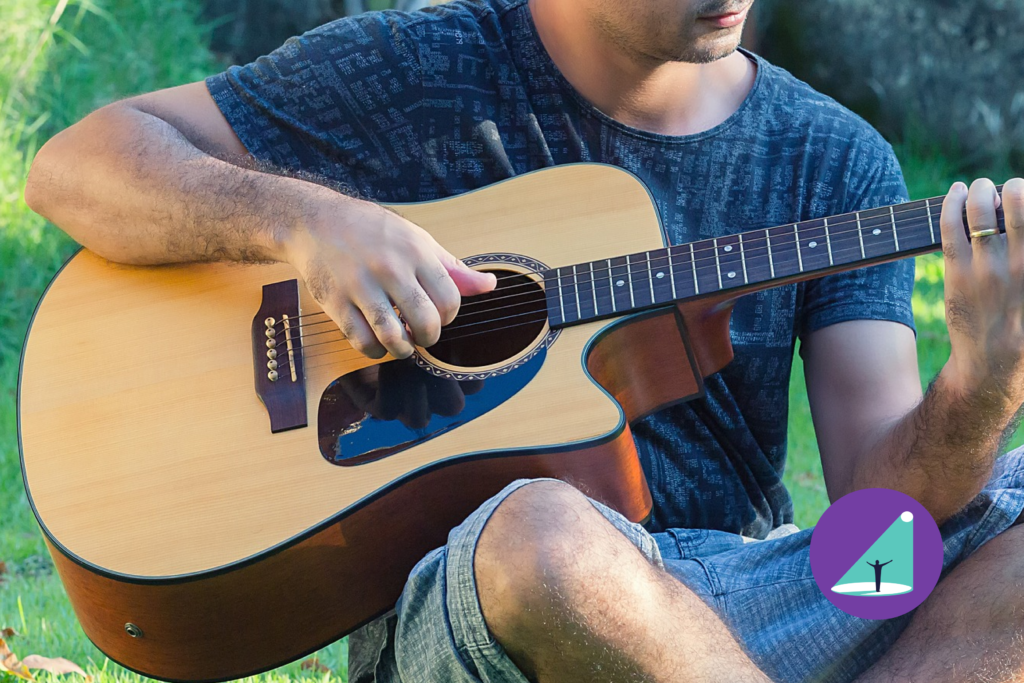
Agility and Coordination Exercises Increase Speed and Precision of Movements
Agility development defines not only fast movement but also precision, smooth transitions between actions, and the ability to react to unexpected situations. Numerous exercises directed at these very qualities are available in the Talented program:
- Ball play on fingers: Toss a small ball and catch it alternately with different fingers, trying to maintain control. This stimulates sensory-motor coordination.
- Finger gymnastics: Do a series of fast movements, for instance, finger “cheerleading” — fingers quickly “run over” each other. Repeat for 2–3 minutes.
- Working with small objects: Beading, transferring screws or buttons are exercises for fine motor skills.
Key recommendations for enhancing agility
Perform exercises continuously to maintain rhythm and dynamics.
Add small challenges — e.g., set a time for completing a certain number of repetitions.
Use both hands in order to maximize symmetrical development.
When consolidated, these practices will show how the speed and precision of your movements change you, positively reflecting on productivity and creativity. Consistent dexterity drills with guided exercises inside the Talented app build skill growth and elevate metrics through performance tracking.
Integration of workouts into daily life tips and recommendations
Not only useful but vital for sustainable progress: exercises to develop finger strength and dexterity should be fitted into your daily routine. However, gradually fading motivation and minimal results occur without the right approach. To avoid that, following a few key integration principles is important:
Regularity in small doses
Dedicate hours at a time to training — no need. More effective than long sessions often are quality workouts lasting 5–10 minutes spread throughout the day. For example:
- Morning finger warm-up-exercise with the fingers.
- Speed and coordination exercises during lunch break;
- Stretching and relaxation of hand muscles in the evening.
Using “time windows” in your schedule
Endless task switching defines modern life. Just find free moments to organize five quality minutes, and the training will not feel like a burden but instead become a part of the day: for example, waiting in line, on your way to work, or during short breaks.
Habits form through associations
Link exercises to specific, everyday actions. For example:
- After hand washing: 10 flexion movements of fingers;
- before starting computer work – to warm up the wrists;
- While listening to music — agility exercises.
Using auxiliary devices and apps
Gadgets, expanders, special trainers — all these will work for your benefit if integrated into your home or office environment. And, finally, apps that remind of certain workouts and provide statistics so one clearly understands one’s progress.
Balance between load and rest
The body does not like overloads. Overtraining leads to fatigue and even injuries. Program rest days, vary the intensity of workouts, listen to your body, and don’t ignore your feelings.
As a next step, it is not about creating an artificial barrier between workouts and life, but about their smooth merging. The more naturally Talented exercises integrate into your day, the greater the chance of keeping regularity and improving movement quality-and therefore, the greater one’s productivity and creative potential in general. This is where finger strength development merges with dexterity drills and adaptive intensity to protect hand health and support practice routines.
Tracking Progress and Motivation How to Keep Interest and Achieve Results
Not an easy task it is, to move forward without straying off course, when constant development of finger strength and dexterity is at stake. From the very beginning, understood this we did in our app, and emphasis was placed on making the training process not only effective but also engaging. How, then, to maintain interest and simultaneously evaluate one’s success objectively? Key points, let us consider.
Monitoring Progress
A powerful stimulus is regularly seeing the result. Your attention is presented with built-in graphs: they clearly show the dynamics of improvements in strength and movement accuracy. A clear picture of growth every day, week, and month allows the path walked to be adequately assessed.
Goals
Easier to cover a great distance it is, when broken into stages. Three types of goals in our approach we highlight:
- Daily – small tasks, taking 5-10 minutes.
- Weekly – slightly more ambitious, aimed at consolidating new skills.
- Long-term: this is the very foundation upon which all motivation and striving for perfection is based.
This helps avoid feelings of overload and sustains continuous interest.
Feedback and Reminders
It is not just the sounds that remind, but the tools that train and discipline, even in a busy schedule, not to forget about training. Further included was the function of receiving personalized technique advice based on your results, which enhances progress and keeps motivation high.
Community and Competitions
Nothing inspires quite like communicating with like-minded people. Being able to share results, take part in challenges, and see other people’s progress adds competition and friendly support.
Rewards and Achievements
Internal rewards are an excellent way of praising oneself after every step taken towards achieving a goal. Badges, mastery levels, and unlocking new exercises make training a game where collecting achievements and moving forward becomes desirable.
In summary: in order not to lose interest and get results, important it is not only to train regularly but also to see why, how, and how effectively. We have created such a system where every user will find motivation – either visual progress, or community support, or small achievements on the way to a big goal. It helps to transform training into a habit, making the process of developing finger strength and dexterity an integral part of life. Here, metrics guide form metrics and performance tracking, while guided exercises within the Talented app sustain momentum through technique drills and control refinement.
Conclusion Long-term Benefits of Developing Finger Strength and Dexterity Within Talented
The development of finger strength and dexterity is not just one of short-term improvement in the ability to perform specific tasks. Opening up perspectives that become increasingly tangible and significant with time, the integration of training within the Talented platform does for you. Continue practicing and improving; the main long-term benefits you will gain are as follows.
To sum it up, it is worth mentioning that Talented activities are not the magic bullet for achieving fast effects; instead, they are about stable and deep development of skills that, after some time, become the basis for your professional and personal effectiveness. If ready to integrate this training into your routine you are, the reward will not keep you waiting: better work quality, greater joy from the process, and confidence in your own abilities. Remember, consistency is the key to success it is. Let finger strength and dexterity development become for you not a task, but an exciting journey with discoveries and achievements!
Talented app users who embrace guided exercises and track metrics typically see faster skill growth through finger workouts, strength building, dexterity enhancement, and technique drills — reinforcing finger strength gains and making dexterity drills a sustainable habit supported by adaptive intensity and precision exercises.